
silver floor length mirror
The Essential Role of Gate Valve Manufacturers in Industrial Applications Gate valves are a crucial component in various industrial settings, playing a vital role in the regulation and control of fluid flow. As the demand for efficient and reliable fluid control systems continues to rise, gate valve manufacturers are at the forefront of innovation and quality assurance in this essential industry. This article explores the significance of gate valve manufacturers, the challenges they face, and the future of gate valve technology. Understanding Gate Valves Gate valves are designed to provide unobstructed flow with minimal pressure drop. They are primarily used in applications where a straight-line flow of fluid is desired. Typically, gate valves are either rising stem or non-rising stem types, depending on the design of the stem that facilitates opening and closing the valve. Their primary advantage is the ability to completely seal the flow, making them ideal for on/off applications in various systems—including water supply, oil and gas, and chemical processing. The Role of Gate Valve Manufacturers Gate valve manufacturers are responsible for producing these essential devices to meet the specific needs of diverse industries. The manufacturing process involves sourcing high-quality materials—such as stainless steel, brass, bronze, and PVC—to ensure durability and performance under varying pressures and temperatures. Manufacturers not only focus on production but also engage in extensive research and development to innovate and improve gate valve designs. One of the primary responsibilities of gate valve manufacturers is to adhere to stringent industry standards and regulations. Adherence to standards such as API (American Petroleum Institute) and ASME (American Society of Mechanical Engineers) is crucial to ensure safety and reliability . This process includes rigorous testing, including pressure testing, endurance testing, and leakage testing. By ensuring that their products meet compliance requirements, manufacturers instill confidence in their customers regarding the reliability of their valves. Challenges Faced by Gate Valve Manufacturers gate valve manufacturers Despite the importance of their products, gate valve manufacturers encounter several challenges in the industry. One significant challenge is the increasing demand for custom solutions tailored to unique operational requirements. This customization often complicates manufacturing processes and may lead to longer lead times. Furthermore, the industry faces challenges related to material sourcing and supply chain disruptions. The availability of raw materials—especially in a volatile market—can impact production schedules and costs. Manufacturers must navigate these external challenges while maintaining quality and performance standards. The Future of Gate Valve Technology Innovation is key to the future of gate valve manufacturing. With advancements in materials science, manufacturers are exploring new composites and alloys that offer better strength and corrosion resistance. Additionally, the integration of smart technologies—such as IoT sensors—into gate valve designs is revolutionizing the industry. Smart gate valves can provide real-time data on flow rates, pressure, and valve status, allowing for improved monitoring and maintenance. Sustainability is another crucial factor shaping the future of gate valve manufacturing. As industries push towards greener operations, manufacturers are focusing on eco-friendly processes and materials. This includes reducing waste during production and enhancing the energy efficiency of their products. Conclusion Gate valve manufacturers play a vital role in ensuring the smooth operation of various industries by producing reliable and efficient fluid control solutions. While they face several challenges, their commitment to innovation and quality enables them to adapt and thrive in a changing market. As technology advances and the demand for customized, sustainable solutions grows, gate valve manufacturers will undoubtedly continue to evolve, delivering products that meet the needs of a dynamic industrial landscape.
about
silver floor length mirror
Understanding the Pricing Dynamics of Concrete Chairs Concrete chairs, a blend of functionality and modern aesthetics, have gained significant popularity in both residential and commercial settings due to their durability and versatility. These chairs, crafted from a combination of cement, water, sand, and aggregate, offer a unique design element that can withstand the test of time. However, when it comes to purchasing them, one might wonder about the factors influencing the price of concrete chairs. Firstly, the cost of raw materials plays a crucial role in determining the price. Concrete, being the primary ingredient, is a mixture of aggregates (), sand, and Portland cement. The fluctuation in the global market prices of these materials directly impacts the final cost of the chair. For instance, a rise in the demand for cement or a shortage of aggregates can lead to an increase in the overall production cost, translating into a higher price tag. Secondly, the manufacturing process and labor involved contribute significantly to the pricing. Concrete chairs require skilled labor to mold, cure, and finish, which is a time-consuming process compared to mass-produced plastic or metal furniture. Moreover, intricate designs or customizations add to the labor-intensive nature of the production, driving up the price. Thirdly, the design complexity is another factor. Simple, minimalist designs generally cost less than intricately detailed or sculptural pieces Simple, minimalist designs generally cost less than intricately detailed or sculptural pieces Simple, minimalist designs generally cost less than intricately detailed or sculptural pieces Simple, minimalist designs generally cost less than intricately detailed or sculptural pieces concrete chairs price . The more artistic and innovative the design, the more time and effort it takes to create, hence the higher the price. Furthermore, the brand reputation and location also play a part. Well-established brands with a reputation for quality may charge a premium for their products. Similarly, regional factors such as transportation costs, local taxes, and supply chain logistics can influence the final selling price. Lastly, sustainability considerations can impact the price. Environmentally friendly practices, like using recycled materials or low-carbon cement, often come at a slightly higher cost but appeal to consumers who prioritize eco-conscious choices. In conclusion, the price of concrete chairs is a result of a complex interplay between material costs, labor, design, branding, and sustainability factors. It's essential to consider these aspects when making a purchase decision, balancing both aesthetic preferences and budget constraints. Remember, while concrete chairs may initially seem more expensive, their durability and low maintenance requirements often make them a cost-effective investment in the long run.
-

High quality industrial productsagement

High quality industrial products
View Details -

Meet the diverse needs of customers

Meet the diverse needs of customers
View Details -

Strict quality control

Strict quality control
View Details -

Top raw materials

Top raw materials
View Details -

Trusted supplier

Trusted supplier
View Details
Our application



news and information
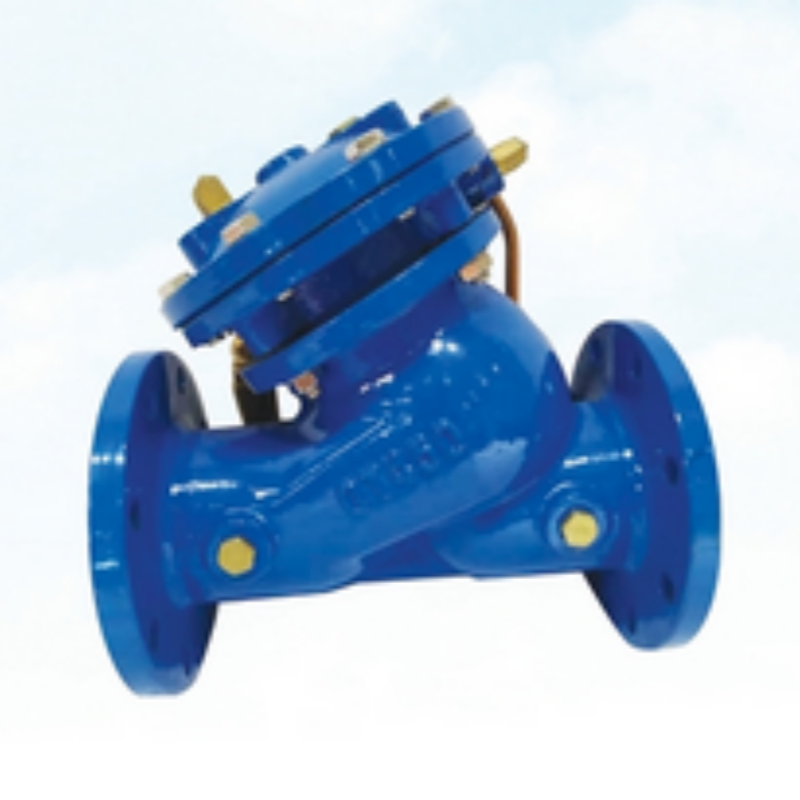
Various Types of Flow Control Valves and Their Applications in Different Industries
Different Types of Flow Control Valves Flow control valves are essential components in various fluid

valve company
Valve Corporation, an iconic name in the gaming industry, has consistently set benchmarks in interac
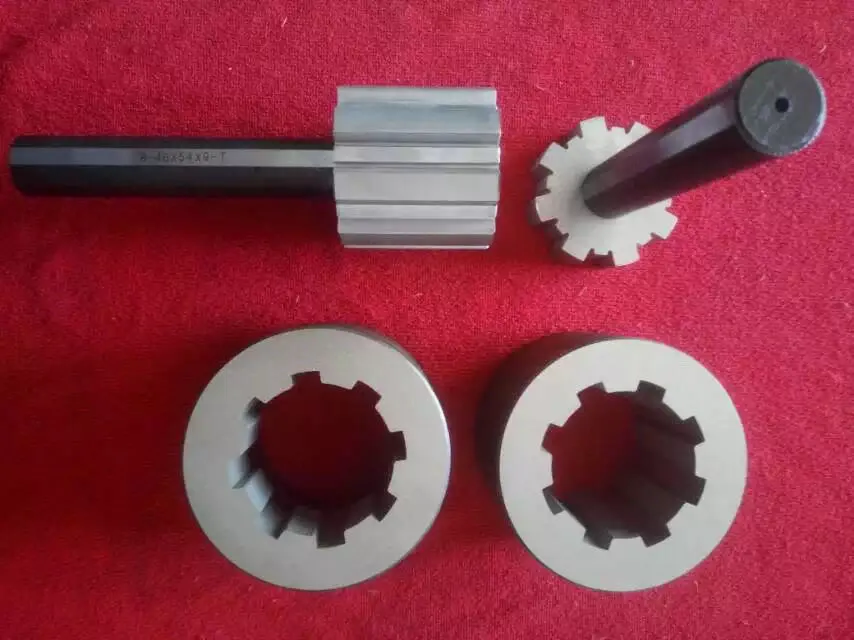
Versatile Metal Ruler for Precise Right Angle Measurements in DIY Projects
The Right Angle Metal Ruler A Crucial Tool for Precision and Accuracy In the realm of measurement an
 English